Apolline Blachet
AI · Data Science · Computer Vision
LinkedIn · GitHub
Engineering graduate of Centrale Méditerranée (Mechanics and Physics track) with a double-degree MSc in Mathematical Modelling and Computation from the Technical University of Denmark (DTU). Specialized in AI, data science, and computer vision, with a strong background in applied mathematics and physics. Experienced in developing end-to-end machine learning pipelines, analyzing images and signals, and modeling time series in research and industrial settings. Skilled in Python, PyTorch, TensorFlow, high-performance computing (HPC), and statistical modeling.
Projects
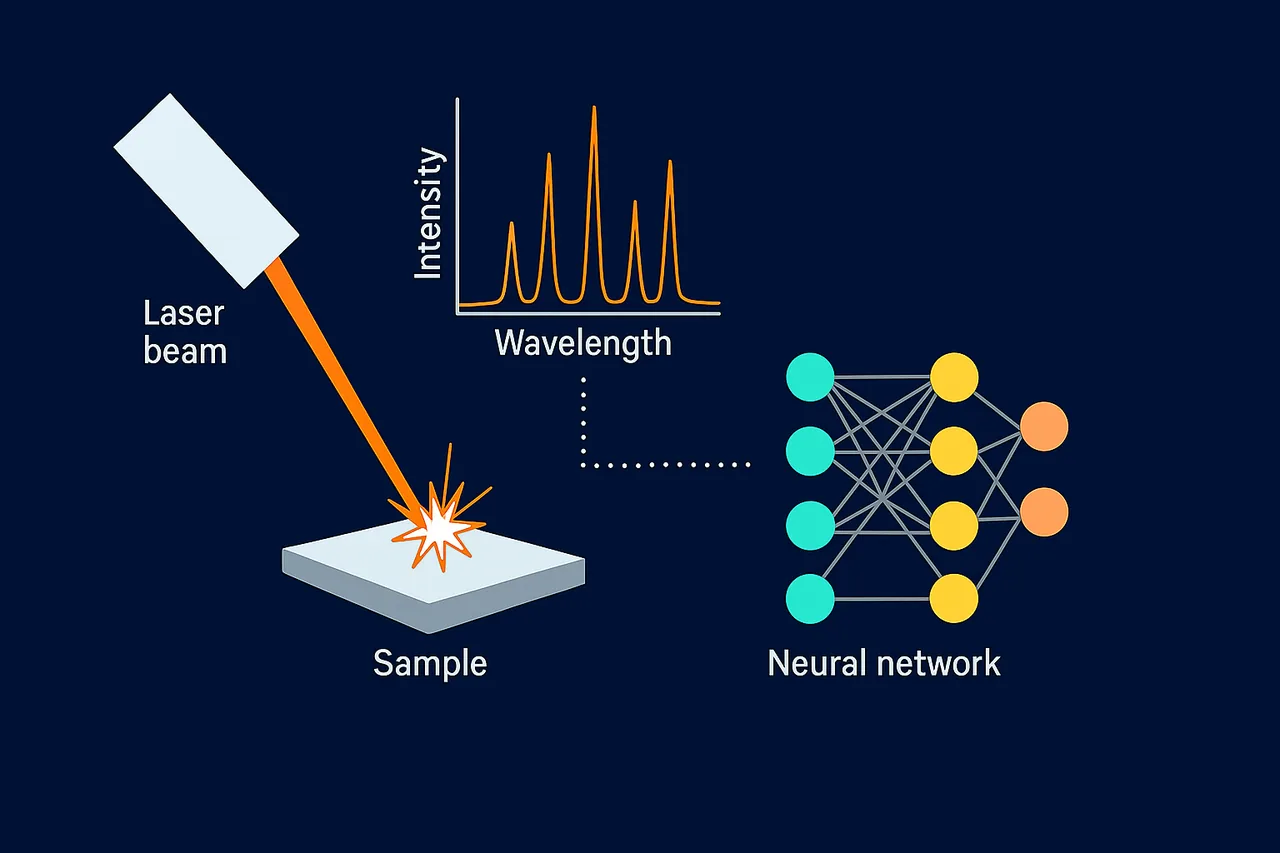
AI for material classification using LIBS
Research project at Richemont. Developed AI models to identify and characterize materials such as metals and gemstones using laser-induced breakdown spectroscopy (LIBS). Built end-to-end pipelines from data preprocessing through model evaluation, with an emphasis on chemometric analysis. Applied classification, clustering, and anomaly detection using Python, PyTorch, and scikit-learn, with GitLab for version control.
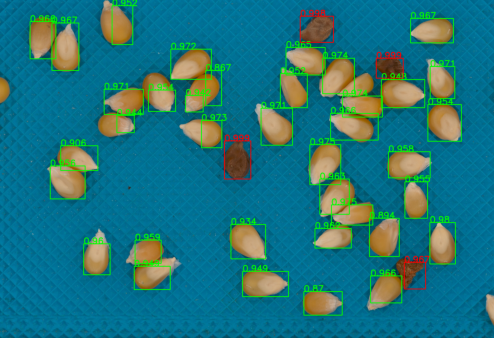
Maize kernel detection and classification in multispectral images
Academic project with Videometer. The project detected kernels in multispectral images of a conveyor belt and classified them as healthy or unhealthy using selective search, a VGG-16-based convolutional neural network, and non-maximum suppression.
Cell segmentation and tracking in 4D organoid images
Research internship at Inria. Helped refine and evaluate a cell segmentation and tracking pipeline for 4D organoid images acquired using light-sheet microscopy. The pipeline used watershed segmentation and morphological operations. The segmentation work is described in the Morpheme team’s 2022 activity report.
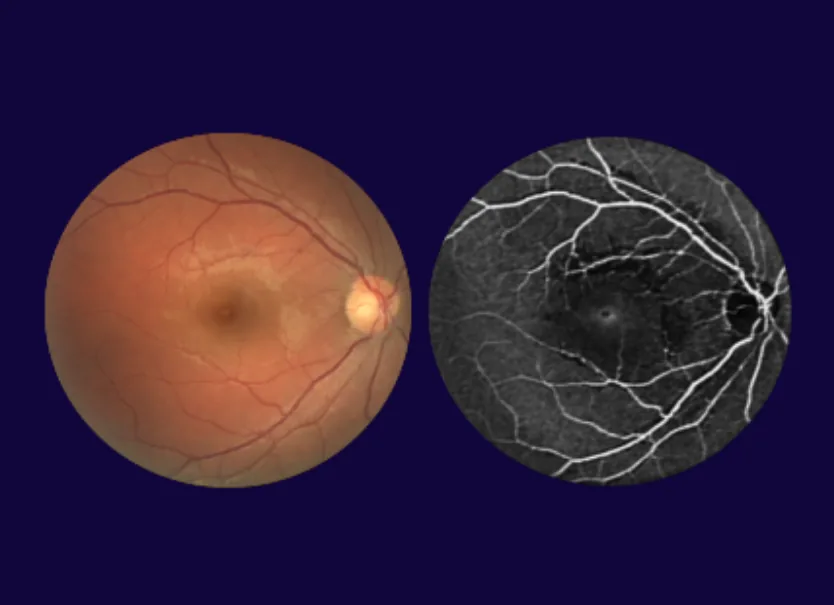
U-Net for retinal blood vessel segmentation
This academic project used 20 labeled retinal images for binary segmentation. Images were preprocessed using contrast-limited adaptive histogram equalization (CLAHE) and normalized before training. The U-Net was trained for 40 epochs using binary cross-entropy loss and the Adam optimizer. It achieved a Dice coefficient of 0.78 on the test set.
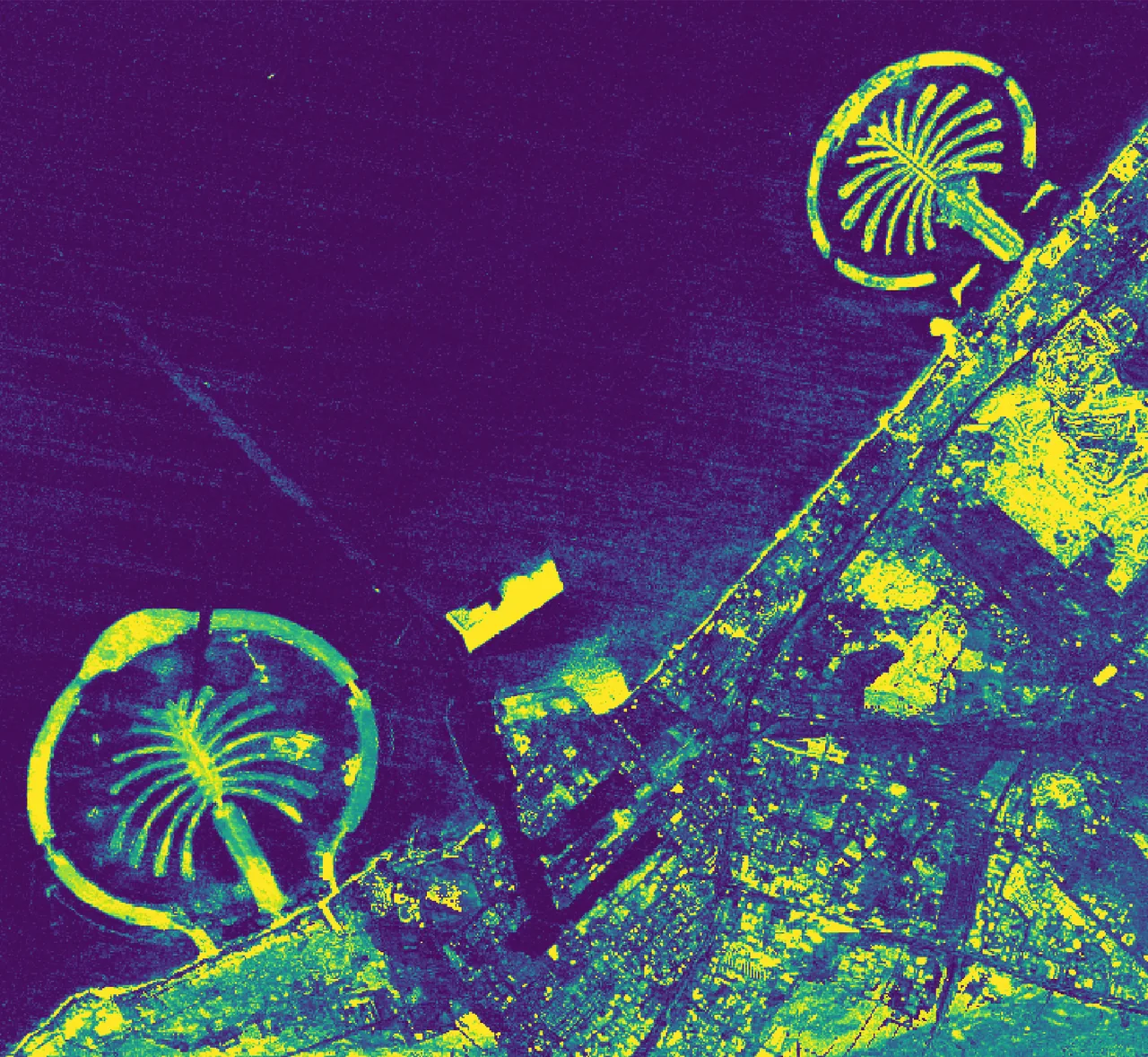
Urban expansion around Dubai’s Palm Islands (2000–2008)
This academic project used canonical correlation analysis (CCA) to quantify land cover changes in satellite images from Google Earth Engine taken between 2000 and 2008.